Share cost-effective products and high-quality services with customers. Contact Us


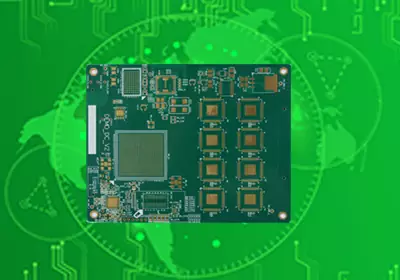
A blue pcb board uses blue solder mask to create a distinctive surface appearance while retaining the electrical structure required by its circuit design. This color is often selected for development boards, industrial electronics, communication equipment, and consumer products where visual identity matters. However, choosing a blue finish involves more than appearance alone. Solder mask compatibility, silkscreen readability, inspection requirements, and manufacturing availability should all be considered before production. Understanding these factors helps engineers select a board finish that suits both the product design and its manufacturing process.
What Gives a PCB board Its Blue Appearance
The blue surface of a PCB board usually comes from its solder mask, a protective coating applied over the copper pattern with openings left for solderable pads and other specified areas. The coating helps protect exposed circuitry from contamination and accidental solder bridging during assembly. Its color comes from the selected mask formulation rather than the board's copper or base laminate.
A blue PCB board can use standard FR-4, multilayer construction, different copper thicknesses, and a range of surface finishes, depending on the design and manufacturer's capabilities. For example, a board with blue solder mask may use ENIG or HASL on exposed pads. The solder mask color and surface finish are separate specifications, so selecting blue does not automatically determine the pad finish.
The color also does not indicate the board's electrical quality. Current capacity, impedance control, thermal performance, and long-term reliability depend on factors such as copper geometry, dielectric materials, stackup, component selection, and manufacturing quality. A blue pcb board can meet demanding technical requirements when the materials and production process are suitable for the application.
Blue PCB Board vs. Green PCB Board
Green remains a common default for PCB manufacturing, while blue offers an alternative for products that need a different visual identity. The practical differences are mainly related to appearance, inspection conditions, material availability, and production planning rather than an inherent difference in circuit performance.
Blue solder mask can provide strong contrast with white silkscreen, helping component labels, polarity marks, and reference designators remain readable. This can be useful on development boards and products that require visible markings during assembly or maintenance. However, the visibility of copper patterns and potential surface defects depends on the specific mask shade, lighting, exposed features, and inspection method.
Green solder mask is widely available and may be more economical when a manufacturer processes it as a standard production option. Blue is also commonly available, but some factories may need to account for ink availability, production scheduling, or specific appearance requirements. Actual cost and lead time depend on the supplier, order quantity, board complexity, and selected material system.
Neither color is universally better. Engineers should evaluate the required appearance alongside design rules, inspection capabilities, and production constraints instead of assuming that color alone determines quality.

How Solder Mask Color Affects Assembly and Inspection
Solder mask selection can influence how clearly board features appear during visual inspection and automated optical inspection (AOI). Different colors reflect and absorb light differently, which may affect image contrast under a particular inspection setup. The impact depends on the mask formulation, equipment, lighting configuration, and features being inspected.
For a blue pcb board, white silkscreen is a common choice because it usually provides clear contrast against the colored surface. If the product includes dense component markings or fine-pitch components, designers should verify that labels remain readable and that the selected mask process can meet the required solder mask dam and registration tolerances.
The board's layout still plays a major role in assembly quality. Adequate spacing, correctly defined solder mask openings, suitable pad geometry, and clear component orientation markings all contribute to reliable manufacturing. A different mask color cannot compensate for poor layout or inadequate process control.
Before committing to production, the manufacturer should confirm that the chosen blue mask is compatible with the design's minimum feature sizes and inspection requirements. For products with strict cosmetic standards, an approved sample or documented color reference can also help establish acceptable shade and surface appearance.
What to Specify When Ordering a Blue PCB Board
A successful manufacturing order needs a complete set of technical requirements rather than a color description alone. The design package should identify the layer count, laminate material, board thickness, copper weight, trace and spacing requirements, surface finish, and solder mask color. Controlled-impedance requirements and other special fabrication details should be included when applicable.
Quantity and delivery expectations should be discussed early if the project requires a particular blue shade or a specialized matte or glossy appearance. Color consistency can vary with the mask formulation and production conditions, so appearance-sensitive projects may need an agreed reference sample and clearly defined acceptance criteria.
Design for manufacturability (DFM) review is also important. The manufacturer should check the board layout against its fabrication capabilities, including solder mask registration, fine features, drill requirements, and surface finish specifications. For assembled boards, component availability, soldering profiles, and inspection requirements must be considered separately from the solder mask color.
Ultimately, a blue pcb board is a practical option when a product needs a distinctive appearance without compromising its defined electrical and mechanical requirements. By specifying the mask color alongside the full PCB design, confirming inspection compatibility, and reviewing manufacturing constraints before production, engineers can achieve a consistent finish while keeping performance and reliability at the center of the decision.